Introduction
When we stroll by way of a fantastically adorned residence, our eyes more commonly fall upon the carpeting that serves as both a foundation and a announcement piece. Carpets can lift spaces, imparting heat, alleviation, and an aesthetic allure. But have you ever ever puzzled how carpet types advanced over time? From high-priced Persian rugs to modern minimalist designs, the journey of carpeting patterns displays societal alterations, technological developments, and evolving tastes.
In this article, we’ll explore The Evolution of Carpeting Styles Over the Years in element. We'll delve into historical context, resources used, layout trends, and contemporary inventions in the carpet market. Whether you're searching for carpets Buffalo NY, Hardwood Flooring Buffalo NY, or honestly exploring features at your neighborhood Buffalo Carpet Store, this text will present insights into how carpets have transformed over the years.
The Evolution of Carpeting Styles Over the Years
A Brief History of Carpeting
Carpeting has a rich records dating lower back hundreds and hundreds of years. Initially created for simple functions, carpets evolved into decorative artwork kinds that pondered cultural values and ideas.
Early Beginnings: The Origin of Rugs
- Persian Influence: Persian rugs are among the oldest conventional carpets, dating to come back to round 500 BC. Their problematic designs most often function floral motifs and geometric styles. Navajo Weaving: In North America, Native American tribes like the Navajo started weaving their very own amazing rugs as early because the seventeenth century.
These early carpets were not only realistic yet additionally served as popularity symbols within their respective cultures.
The Middle Ages: A Shift in Functionality
As societies developed for the period of the Middle Ages, carpets transitioned from being in simple terms utilitarian to serving as ornamental resources in castles and church buildings across Europe. The use of rich colours and complex designs turned into in demand.
Renaissance to Industrial Revolution: The Rise of Luxury Carpets
Renaissance Flourishes
During the Renaissance duration (14th to 17th centuries), European royalty commissioned incredible tapestries and carpets for their houses. These textiles featured shiny colorings and depicted scenes from mythology or nature.
Industrial Innovations
The Industrial Revolution within the 18th century marked a substantial turning point for carpeting patterns:
- Mass Production: With developments in machinery, carpets will be produced on a bigger scale. Synthetic Fibers: The advent of manufactured fibers bought durability at minimize rates.
twentieth Century: Diverse Styles Emerge
As we entered the twentieth century, carpeting started out to diversify extra:
Mid-Century Modern Designs
The mid-century revolutionary flow emphasised simplicity and functionality. Carpets including shag rugs was familiar with the aid of their textural characteristics.
Post-War Era Trends
After World War II, there has been a surge in suburban living which prompted carpet design:
- Wall-to-wall carpeting turned a staple in lots of properties. Bright colours like avocado eco-friendly and mustard yellow meditated prevalent lifestyle during this period.
Contemporary Trends: Sustainable Practices and Technology
Today’s carpets replicate latest everyday life possible choices with an emphasis on sustainability and era:
Eco-Friendly Materials
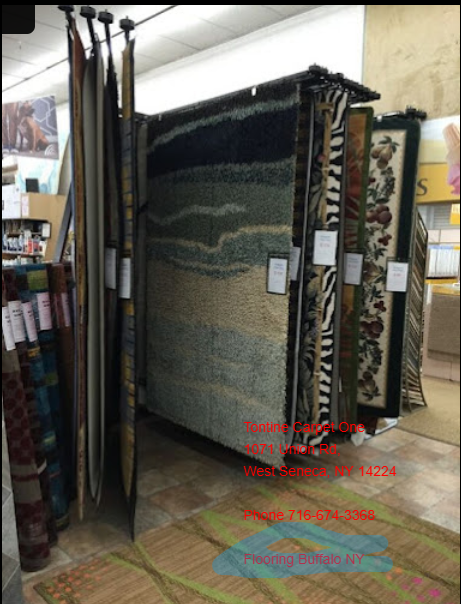
Many purchasers are now searching for sustainable features fabricated from recycled resources or organic fibers. This shift is evident at native floor stores like Tontine Carpet One Buffalo NY.
Technological Advancements
Innovations equivalent to stain-resistant cures and expanded deploy ways have made holding carpets more straightforward than ever in the past.
Materials Used in Carpet Making Through Time
Natural vs Synthetic Fibers: A Comparative Analysis
When discussing carpet elements over the years, it’s a must-have to think of the two average and manufactured fibers:
| Material Type | Characteristics | Advantages | Disadvantages | |-------------------|-----------------------------------------------------|-----------------------------------------|-------------------------------------| | Natural Fibers | Wool, cotton, jute | Eco-pleasant; high-priced sense | Can be luxurious | | Synthetic Fibers | Nylon, polyester | Durable; stain-resistant | Less breathable |
Wool: The Classic Choice
Wool has been respected for its longevity and steeply-priced texture in the course of historical past. It keeps warmth properly and is naturally proof against grime.
Nylon: A Modern Marvel
Introduced inside the mid-twentieth century, nylon easily grew to become trendy due to the its resilience towards put on and tear—superb for prime-traffic places like hallways or living rooms.
Design Trends Across Different Eras
Victorian Patterns: Opulence Redefined
In Victorian instances (19th century), ornate patterns dominated carpet designs with floral motifs reflecting wealth.
Art Deco Inspirations
Art Deco (Twenties) brought geometric shapes into recognition—presenting formidable contrasts that also resonate at the moment.
Influence of Culture on Carpet Design
Cultural Significance
Every tradition has its extraordinary contribution to carpet making—from Persian motifs celebrating nature to Navajo patterns reflecting storytelling.
Regional Styles
Each area showcases individual characteristics stylish on available elements or average thoughts—assume Turkish kilims versus Indian dhurries!
FAQs
1. What are a few trouble-free forms of carpeting?
There are a number kinds together with loop pile, reduce http://ricardotlwh519.image-perth.org/unique-patterns-and-textures-the-allure-of-area-rugs pile (like plush), frieze (twisted), Berber (looped & textured). Each affords the several aesthetics & alleviation tiers!
2. How do I make a choice a carpet dependent on culture?
Consider points inclusive of foot site visitors phases! For busy families with pets/childrens pick out long lasting thoughts like nylon or Berber kinds that withstand stains!
3. Are eco-friendly carpets valued at it?
Absolutely! They not simply make a contribution closer to sustainability however may offer greater air best benefits! Many green manufacturers now have fashionable choices too!
4. How most likely will have to I update my carpet?
Typically each 5-10 years depending on usage & preservation! Regular cleansing can make bigger its lifestyles critically!
5. What’s trending excellent now in carpeting types?
Current developments emphasize textures—feel shaggy seems to be paired with impartial hues! Also multi-sensible section rugs are exceedingly prevalent!
6. Can I set up carpet myself?
While DIY installation is achieveable in particular with modular tiles; professional installation ensures ideal outcome tremendously for wall-to-wall fittings!
Conclusion
As we mirror on The Evolution of Carpeting Styles Over the Years, or not it's clean that those humble textiles inform studies some distance beyond aesthetics—they encapsulate cultural identities at the same time adapting with time's currents! Whether you’re travelling your neighborhood Buffalo Carpet Store or deciding among recommendations at Tontine Carpet One Buffalo NY; figuring out this evolution complements appreciation in your offerings lately!
From normal fibers steeped in lifestyle to state-of-the-art synthetic suggestions; our reference to ground remains profound! So next time you stroll across your plush living room carpet count—it’s greater than simply material underfoot—it’s background woven into each and every thread!